
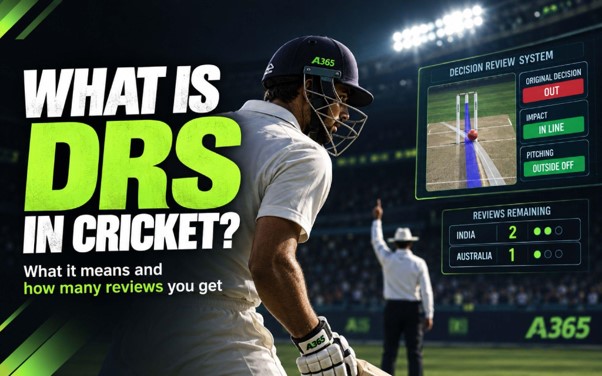
What Is DRS in Cricket? What It Means and How Many Reviews You Get
DRS review counts have actually changed in recent years, and a lot of what's written about it online is out of date. Here's what's true right now.
So what is DRS in cricket, really? It stands for Decision Review System, the tech that lets players challenge an umpire's call on the field. It's become one of those things you really need to understand if you follow cricket closely, or if you're into online cricket betting, since one overturned review can flip a match in seconds. Here's the thing though: the number of reviews each team gets has actually changed since DRS first showed up, and a lot of what's out there online still quotes the old numbers.
DRS Full Form, and What It Actually Means
DRS full form is Decision Review System, that's the whole thing. If a batter gets given out, or a fielding captain thinks a "not out" call was wrong, they've got 15 seconds to signal for a review, hands up in a "T" shape. From there a third umpire, sitting in a booth full of screens, checks it with ball-tracking and edge-detection tech before confirming or overturning the on-field call.
That's the short version of what is DRS in cricket. The longer version is basically everything below.
How Many Reviews Do Teams Actually Get Now?
This is where a lot of older articles get it wrong, in the other direction. Right now: 3 unsuccessful reviews per innings in Tests, 2 per innings in ODIs and T20Is. Those numbers actually went up during the COVID-19 era, in July 2020, to account for less experienced umpires potentially standing in, and the higher counts simply became permanent afterward.
Only unsuccessful reviews count against that limit though. Get it overturned, you keep the review. Land on an Umpire's Call, meaning the tech showed it was too close to flip, the original decision stands, but you don't lose anything either. And reviews don't roll over between innings. Whatever's left unused when the first innings ends is just gone.
Not Every Decision Can Be Reviewed
Once you know what is DRS in cricket at a basic level, it helps to know its limits too. DRS covers LBW calls, stumpings, and catches, caught behind or bat-pad, the moments where tech genuinely sees something an umpire's eye can miss. It doesn't cover no-balls anymore (third umpire checks those automatically now), leg byes, or boundary contact, also automatic.
What's Actually Doing the Work Behind DRS
Three tools, really. Hawk-Eye tracks the ball's flight with a bunch of high-speed cameras, projecting where it would've gone if it hadn't hit the batter, the backbone of any LBW call. UltraEdge (people still call it Snickometer sometimes, old habits) uses stump mics sensitive enough to catch the faintest click of ball on bat. Hot Spot used infrared to show heat where bat met ball, but it's barely used anymore, too expensive to run regularly.
One More Thing That Changed
Even the tech itself keeps shifting. As of 2026, the "wicket zone" Hawk-Eye uses for LBW calls got redefined, used to be a flat box based on stump width and height, now it actually maps the real 3D shape of the stumps and bails. Small tweak. But it shows DRS isn't some fixed thing from 2008, it's still being adjusted.
A Few Things People Get Wrong
Not every close call is reviewable, only specific dismissals qualify, wides and leg byes generally don't. A rejected review doesn't always cost you either, only an officially "unsuccessful" one counts against the limit, an Umpire's Call is free. Unused reviews definitely don't carry into the next innings, each one starts fresh. And no, DRS hasn't wiped out umpiring mistakes completely, it's cut down the big obvious howlers a lot, but tight calls decided by Umpire's Call still leave room for judgment.
Why Knowing What Is DRS in Cricket Actually Matters If You're Betting
A review can turn a match around in about ten seconds. A batter given out, then reinstated, can go on to rebuild an entire innings. A wicket that looked settled until DRS said otherwise can swing live markets almost instantly. That's exactly why DRS moments are worth watching closely if you're doing online cricket betting on Arena365, in-play odds tend to move faster around a review than almost anything else happening in the game. Understanding what is DRS in cricket, and how it actually plays out, is genuinely useful before you place a bet on a tight match.
 1
How to Choose a Safe Online Casino in Sri Lanka: What a Bad Withdrawal Looks Like
🎲 Casino 0 2
RTP in Slots: What the Number Means and What It Doesn't
🎲 Casino 0 3
5 Things Betting Odds Are Secretly Telling You (Besides Who's Favored)
🎲 Casino 0 4
3 Things to Decide Before You Pick the Best Online Casino Real Money Has to Offer
🎲 Casino 0 5
Basketball Betting Online: Quarter by Quarter, Not Just Final Score
🎲 Casino 0
Frequently asked questions
DRS full form is Decision Review System, tech that lets players challenge an umpire's on-field call.
3 unsuccessful reviews per innings, as things stand now.
2 unsuccessful reviews per innings.
No. Fresh reviews every innings, no matter what's left unused before.
Every match with live betting is right there on Arena365, and odds often shift fast around a big review.
Expertise · Cricket, IPL & Cricket Betting Analysis
Rahul Sharma is a cricket analyst specializing in IPL, international cricket, and T20 competitions. With years of experience following cricket trends, player performances, team strategies, and match statistics, Rahul creates data-driven insights, previews, and betting analysis. His work focuses on helping readers better understand cricket markets through form analysis, statistics, and responsible betting approaches.
Related guides & analysis



Nicholas Pooran Masterclass series
Inside the mindset, preparation and strategy behind T20 cricket.

Nicholas Pooran Cricket Masterclass 2: 5 Elite Batting Lessons You Can Learn From
Arena365 ambassador Nicholas Pooran breaks down the batting mindset that separates good players from truly elite ones.
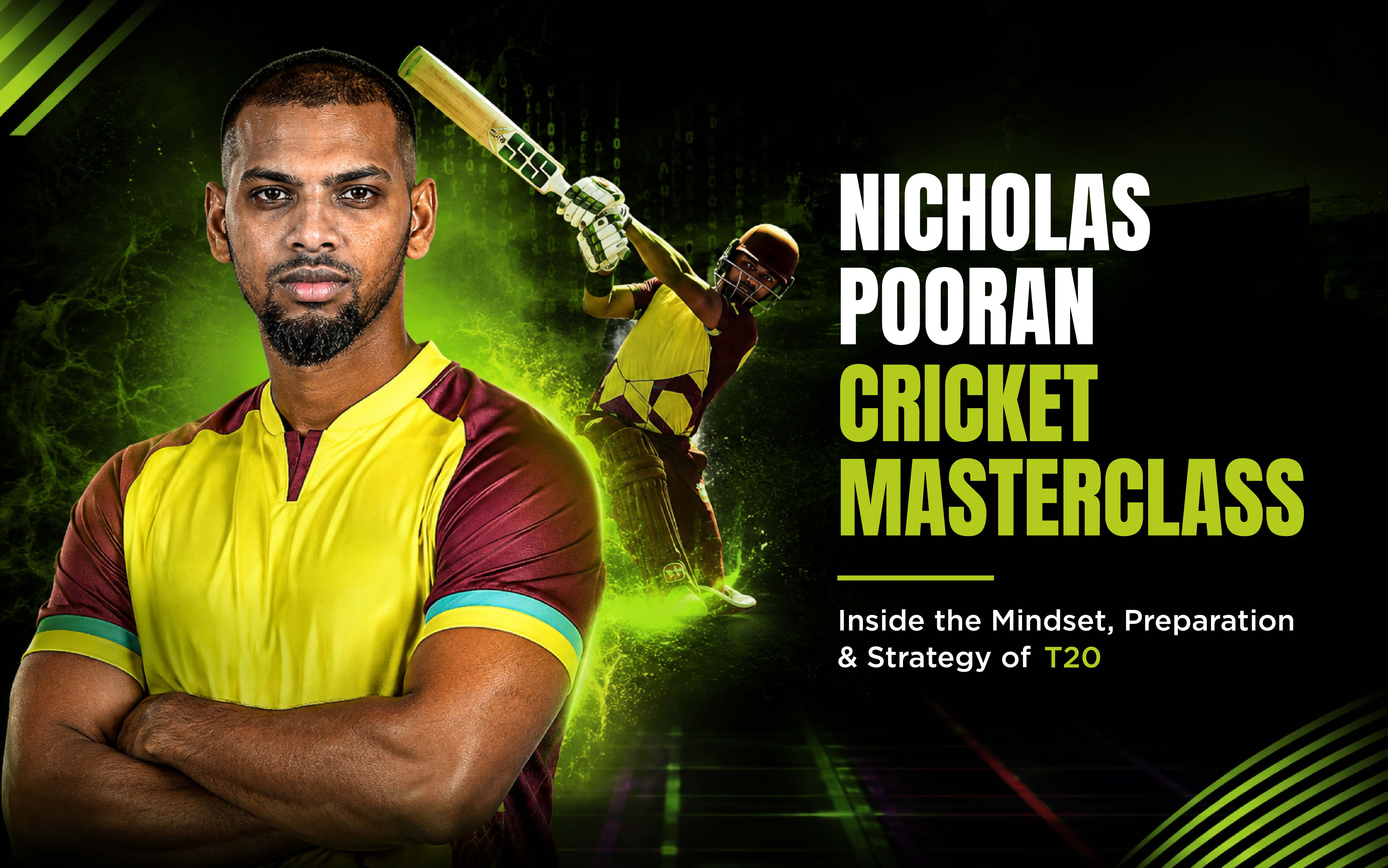
Nicholas Pooran Cricket Masterclass: Inside the Mindset, Preparation & Strategy of T20
Watch Nicholas Pooran break down T20 batting, technique, mindset, and preparation in Arena365’s five-part masterclass, launching September 3 on YouTube.
Latest articles
How to Choose a Safe Online Casino in Sri Lanka: What a Bad Withdrawal Looks Like
A walkthrough of how a withdrawal can quietly go wrong, and the specific moments where a player could have caught it earlier.
RTP in Slots: What the Number Means and What It Doesn't
A single percentage gets printed on every slot title. Here's what it actually tells you, and what it genuinely can't.
5 Things Betting Odds Are Secretly Telling You (Besides Who's Favored)
A betting odds price hides a built-in margin, a probability signal, and a market reaction, far more than just the favorite.
3 Things to Decide Before You Pick the Best Online Casino Real Money Has to Offer
More game choices sound better, but past a point they create hesitation instead of satisfaction, especially once real money is at stake.