

How to Become a Cricketer: The Myths That Quietly Derail Young Players
The specific misconceptions that push promising young players off track, and what the actual pathway looks like instead.
Ask most people how to become a cricketer. Get some version of "just be talented enough." Incomplete at best. Actively misleading at worst. The players who actually make it usually avoid a handful of specific traps. Traps that quietly derail plenty of genuinely talented kids along the way. Here's what those traps actually are, if you’re an aspiring cricketer or want to share this with someone who is.
Quick Facts
Common myths that derail people trying to figure out how to become a cricketer:
Believing raw talent alone is enough without structured development
Assuming there's a single "right age" to start seriously training
Skipping domestic cricket in favor of chasing franchise league shortcuts
Treating fitness as separate from skill development
Underestimating how much mental toughness actually matters long-term
Myth One: Talent Alone Gets You There
Plenty of naturally gifted young players never make it past age-group cricket. Not because the talent disappeared. Because talent without structured coaching, match practice, and honest feedback plateaus fast. Learning how to become a cricketer actually means building habits around that talent. Not assuming the talent itself is the whole story. Rahul Dravid is a good example of this in practice, a player widely known for supplementing natural ability with meticulous, unglamorous hours in the nets, well beyond what raw talent alone would have required.
Myth Two: There's One Correct Age to Start
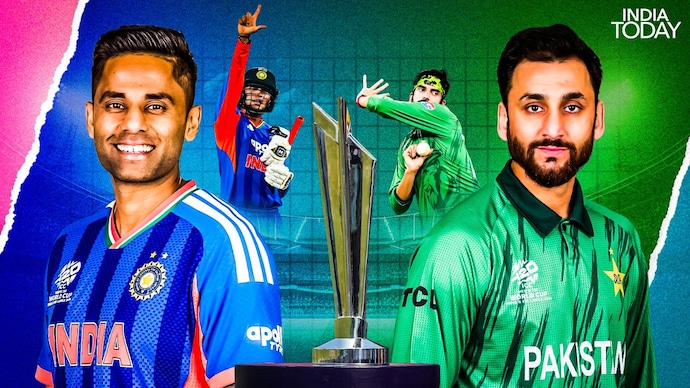
Parents and young players alike panic about starting "too late." Reality check: plenty of professional cricketers didn't get international recognition until well into their careers. Suryakumar Yadav made his India debut at 30, after more than a decade of grinding through domestic cricket first. What matters far more than exact starting age is the quality and consistency of coaching once serious training does begin. Obsessing over a supposed age cutoff distracts from the actual work. Get good, structured practice in place.
Myth Three: Skipping Domestic Cricket for a Shortcut
Franchise leagues look glamorous. Tempting to treat them as the actual goal. But domestic cricket, first-class matches, longer formats, genuine competitive pressure over days rather than hours, builds the technical foundation that franchise cricket alone rarely does. Cheteshwar Pujara's career is a clear example, years of heavy Ranji Trophy workload long before he became a fixture in the Indian Test side. Skip straight to short-format specialisation without that foundation, and you often get players who look flashy in nets but struggle once real match pressure and varied conditions get involved.
Myth Four: Fitness Is Separate From Skill
Treating fitness as an afterthought, something to sort out once the "real" skill work is done, is a mistake plenty of promising players make. Modern cricket, especially white-ball formats, demands athleticism pure technical skill doesn't cover. Virat Kohli's well-documented fitness transformation is the clearest example here, a shift that visibly changed his fielding, running between wickets, and overall consistency across long tournaments. All of it depends on physical conditioning built alongside skill. Not bolted on afterward once a player's already established.
Myth Five: Mental Toughness Is Just a Bonus
Technical and physical sides get most of the attention. Mental side decides who actually survives a long career. Rishabh Pant's return to international cricket after a serious car accident is one of the clearest examples of resilience the sport has seen recently, rebuilding both fitness and form from a genuinely uncertain starting point. Virat Kohli's own recovery from an extended lean patch with the bat is another, staying disciplined and working through a public dip in form rather than letting it define his career. None of this shows up in a coaching manual, and it's routinely underestimated by young players focused purely on technique.
A Few Things People Get Wrong
Myth: how to become a cricketer comes down entirely to natural ability.
Reality: structured coaching, consistent practice, and honest feedback matter just as much as raw talent.Myth: starting serious training late means missing the window entirely.
Reality: many professional cricketers specialized or got recognized later than expected, with coaching quality mattering more than starting age.Myth: domestic cricket is a slower, less useful path compared to franchise leagues. Reality: domestic cricket builds the technical foundation that franchise cricket alone often doesn't provide.
Following the Game While You Learn It
Understanding how to become a cricketer often starts with genuinely following the sport closely, studying how professionals actually build an innings or set a field rather than just watching for entertainment. Arena365 is primarily a sports betting platform, and cricket betting on Arena365 includes live scorecards and match data as part of that experience, which can be a useful side benefit for anyone tracking how professionals actually apply the fundamentals covered here, footwork, shot selection, match temperament, under real pressure.
Arena365 is intended for entertainment purposes only and is available to users aged 18 and above, licensed by the Anjouan Gaming Authority. Please play responsibly and within your means, and reach out to [email protected] if you ever need support.
 1
1Dragon vs Tiger Game: 7 Things to Check Before You Pick a Table
🎲 Casino 0 2
2FROM BET PLACEMENT TO SETTLEMENT: WHAT HAPPENS AFTER YOU PLACE A BET ON ARENA365
🎲 Casino 0 3
3FIXED ODDS BETTING VS LIVE BETTING: KEY DIFFERENCES EXPLAINED
🎲 Casino 0 4
4Brazilian Football Betting Tips: What Série A Doesn't Tell You Upfront
⚽ Football 0 5
5Football Betting Tips: Draw No Bet and Double Chance Explained
⚽ Football 0
Frequently asked questions
No. Structured coaching, consistent practice, and honest feedback matter just as much as raw talent for long-term development.
Not really. Many professional cricketers got recognized later than people assume, and coaching quality tends to matter more than starting age.
Not usually. Domestic cricket builds a technical foundation across longer formats that franchise cricket alone often doesn't provide.
Long-term success depends heavily on handling setbacks and adversity, which technical skill alone doesn't prepare a player for.
Expertise · Cricket, IPL & Cricket Betting Analysis
Rahul Sharma is a cricket analyst specializing in IPL, international cricket, and T20 competitions. With years of experience following cricket trends, player performances, team strategies, and match statistics, Rahul creates data-driven insights, previews, and betting analysis. His work focuses on helping readers better understand cricket markets through form analysis, statistics, and responsible betting approaches.
Related guides & analysis



Nicholas Pooran Masterclass series
Inside the mindset, preparation and strategy behind T20 cricket.

Nicholas Pooran Cricket Masterclass 2: 5 Elite Batting Lessons You Can Learn From
Arena365 ambassador Nicholas Pooran breaks down the batting mindset that separates good players from truly elite ones.
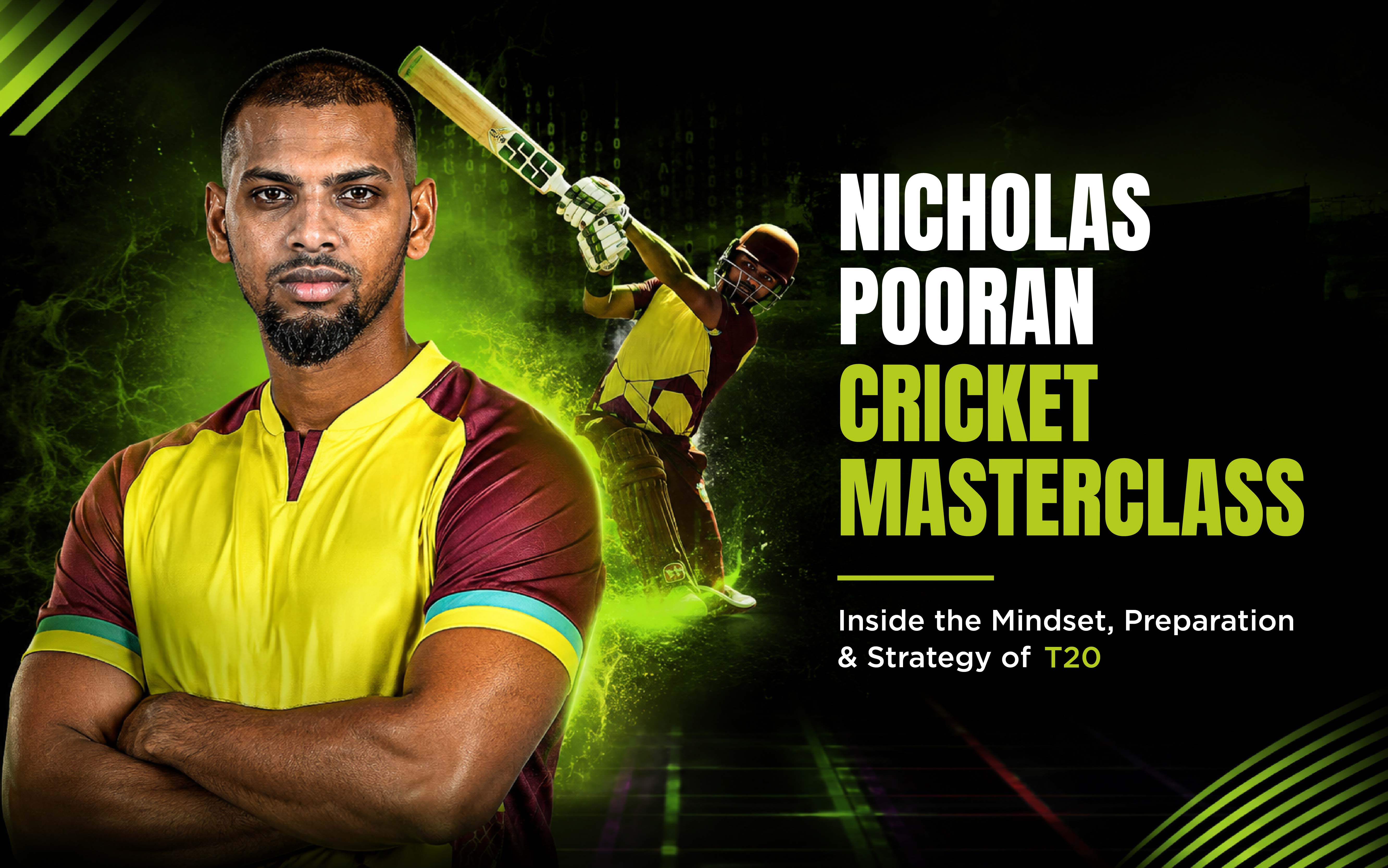
Nicholas Pooran Cricket Masterclass: Inside the Mindset, Preparation & Strategy of T20
Watch Nicholas Pooran break down T20 batting, technique, mindset, and preparation in Arena365’s five-part masterclass, launching September 3 on YouTube.
Latest articles
Dragon vs Tiger Game: 7 Things to Check Before You Pick a Table
A practical checklist for anyone who already knows the game and just needs to know where to actually play it.
FROM BET PLACEMENT TO SETTLEMENT: WHAT HAPPENS AFTER YOU PLACE A BET ON ARENA365
See what happens after you place a bet on Arena365, from confirmation and live tracking to settlement, payouts, voided bets, and withdrawals explained.
FIXED ODDS BETTING VS LIVE BETTING: KEY DIFFERENCES EXPLAINED
How fixed odds and live odds actually differ in risk, timing, and strategy on Arena365, and which approach genuinely suits which kind of bettor best.
Brazilian Football Betting Tips: What Série A Doesn't Tell You Upfront
The table shows results. It doesn't show which competition a club actually cared about that week, or why the home side keeps winning more than the numbers suggest they should.