

10 Commonly Asked Questions About Cricket Betting Odds
Cricket betting odds look simple on the surface, but most bettors have the same handful of questions once they start using them. Here are straight answers to all of them.
Cricket betting odds show up on every match page, every market, every bet slip. Most bettors use them for months without fully understanding what they actually mean. Below are answers to the 10 questions that come up most, what a number like 1.80 actually represents, how live cricket odds behave mid-match, what "vigorish" even is. Everything here uses decimal odds, the format Arena365 runs on, so if you've been searching for decimal odds explained in plain terms, this covers exactly that.
1. What do cricket betting odds represent?
Two things, really. How likely the sportsbook thinks something is to happen, and what you get paid if you're right. A decimal number like 1.80 is your total return per unit staked, stake included, not just profit. Lower number, more likely outcome. Higher number, less likely, bigger payout. It sounds simple once you see it laid out, but a lot of bettors go weeks placing bets without ever connecting the number on screen to what it's actually telling them about the match.
2. Why do cricket betting odds change before a match?
Team news. Injuries. The toss. Pitch and weather reports. And plain old betting volume, if enough money piles onto one side, the odds shift to reflect it. A late injury to a key batter or word that the pitch will turn sharply can move a match's odds noticeably in the hours before it starts. Squad announcements are usually the biggest single trigger, a star player ruled out an hour before the toss can shift a Match Winner market more than almost anything else that happens pre-match.
3. What are "live" or "in-play" cricket betting odds?
These update continuously while the match is actually happening, unlike pre-match odds, which lock in before the toss. A wicket falls, a batter goes on a boundary spree, a collapse starts, live odds react to all of it within seconds, because the likely outcome of the match has genuinely just changed. This is also why live odds can feel more volatile than pre-match odds, they're responding to real events unfolding ball by ball, rather than to information that's already known and priced in.
4. How do decimal odds work when calculating profit?
Multiply your stake by the odds. Subtract your stake from that number, and you've got your profit. This is really what decimal odds explained comes down to in practice, bet ₹500 at 1.80, and your total return is Rs900, that's ₹500 back plus ₹400 profit. Try it at a higher price and the math scales the same way, ₹500 at 4.00 returns ₹2,000 total, ₹500 of that your original stake, Rs1,500 pure profit.
5. What does "evens" mean in decimal odds?
Odds of 2.00, sometimes called even money. Your profit exactly matches your stake here. A ₹500 bet at 2.00 comes back as ₹1,000, half of it your original stake, half of it profit. It's a useful benchmark number too, anything below 2.00 means the market sees that outcome as more likely than not; anything above means the opposite.
6. How do implied probabilities work in cricket odds?
Every decimal odds figure hides a probability inside it. Divide 1 by the odds and you get it. Odds of 1.80 imply roughly a 55.6% chance, according to the market. This is genuinely useful for comparing how likely different outcomes are considered, even across totally different markets, a Match Winner price and a Top Batter price can both be converted the same way, giving you a common yardstick for comparing how confident the market is in each one.
7. Does a higher number mean a better chance of winning?
The opposite, actually. Higher decimal odds signal a lower implied probability and a bigger payout if the outcome does land. Lower odds mean the market rates that outcome as more likely, smaller payout to match. It's a common early mix-up, people sometimes assume a "bigger number" is somehow the stronger pick, when it actually flags the underdog.
8. What are the odds for a "Match Winner" market?
Just the price attached to each team's chances of winning outright, the simplest market in the sport. India at 1.50, the opposing side at 2.60? That gap tells you the market sees India as the clear favorite in that particular match. It's usually the first market listed on any cricket fixture precisely because it's the most straightforward one to understand, no player-specific stats or session totals to factor in, just which team wins.
9. What is the "vigorish" or "juice" in cricket odds?
The margin baked into every market so the sportsbook can operate profitably no matter who wins. It's why implied probabilities across a full market usually add up to a bit more than 100%. That extra sliver is the vig. It's a normal, standard part of how every licensed sportsbook prices a market, not something specific to any one platform or match.
10. Can weather forecasts impact cricket betting odds?
Yes, and sometimes significantly. Rain, overcast skies, dew forecasts, all of it affects how a pitch plays and how long a match is likely to run, so odds adjust to match. Heavy rain forecast for a match? Expect Match Winner and Total Runs odds to move well before a ball's even bowled, a shortened match changes everything about the likely outcome. Even a small chance of rain can affect markets tied to the full 20 or 50 overs being completed, since a reduced-overs match changes what counts as a realistic total.
That covers the questions that come up most often, but odds only really make sense once you're watching them move on to an actual match. To explore more cricket markets and see live odds in action, head to Arena365's cricket betting page.
Arena365 is licensed by the Anjouan Gaming Authority. This platform is strictly for players aged 18 and above, and gambling should always be approached as entertainment rather than a source of income. For support, contact [email protected], and play responsibly.
 1
How to Choose a Safe Online Casino in Sri Lanka: What a Bad Withdrawal Looks Like
🎲 Casino 0 2
RTP in Slots: What the Number Means and What It Doesn't
🎲 Casino 0 3
5 Things Betting Odds Are Secretly Telling You (Besides Who's Favored)
🎲 Casino 0 4
3 Things to Decide Before You Pick the Best Online Casino Real Money Has to Offer
🎲 Casino 0 5
Basketball Betting Online: Quarter by Quarter, Not Just Final Score
🎲 Casino 0
Expertise · Cricket, IPL & Cricket Betting Analysis
Rahul Sharma is a cricket analyst specializing in IPL, international cricket, and T20 competitions. With years of experience following cricket trends, player performances, team strategies, and match statistics, Rahul creates data-driven insights, previews, and betting analysis. His work focuses on helping readers better understand cricket markets through form analysis, statistics, and responsible betting approaches.
Related guides & analysis
Nicholas Pooran Masterclass series
Inside the mindset, preparation and strategy behind T20 cricket.

Nicholas Pooran Cricket Masterclass 2: 5 Elite Batting Lessons You Can Learn From
Arena365 ambassador Nicholas Pooran breaks down the batting mindset that separates good players from truly elite ones.
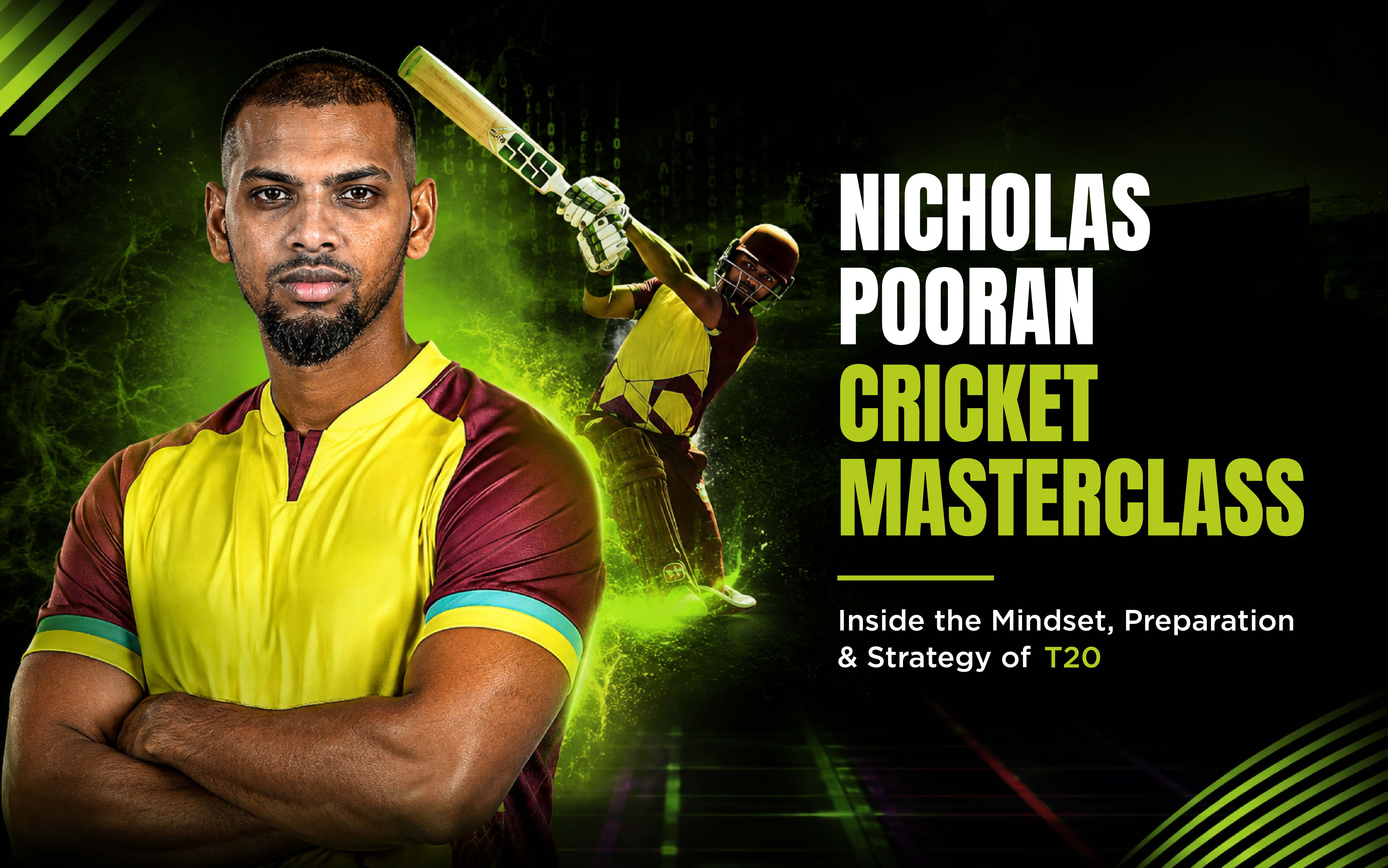
Nicholas Pooran Cricket Masterclass: Inside the Mindset, Preparation & Strategy of T20
Watch Nicholas Pooran break down T20 batting, technique, mindset, and preparation in Arena365’s five-part masterclass, launching September 3 on YouTube.
Latest articles
How to Choose a Safe Online Casino in Sri Lanka: What a Bad Withdrawal Looks Like
A walkthrough of how a withdrawal can quietly go wrong, and the specific moments where a player could have caught it earlier.
RTP in Slots: What the Number Means and What It Doesn't
A single percentage gets printed on every slot title. Here's what it actually tells you, and what it genuinely can't.
5 Things Betting Odds Are Secretly Telling You (Besides Who's Favored)
A betting odds price hides a built-in margin, a probability signal, and a market reaction, far more than just the favorite.
3 Things to Decide Before You Pick the Best Online Casino Real Money Has to Offer
More game choices sound better, but past a point they create hesitation instead of satisfaction, especially once real money is at stake.